use Dā-mite®, the alternative to blasting and breakers.
An ideal, effective, non-explosive, solution for
demolition of rock and concrete.
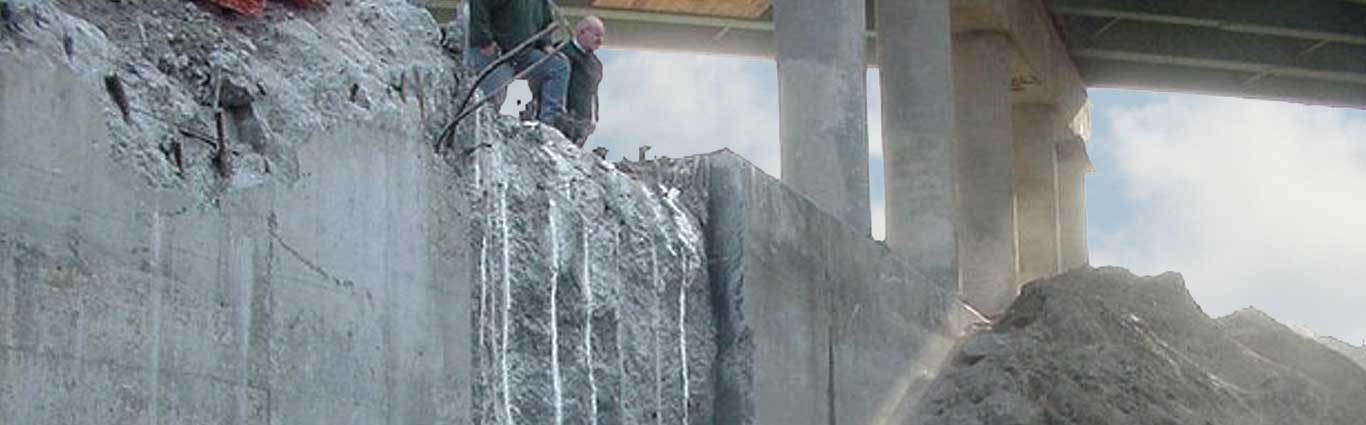
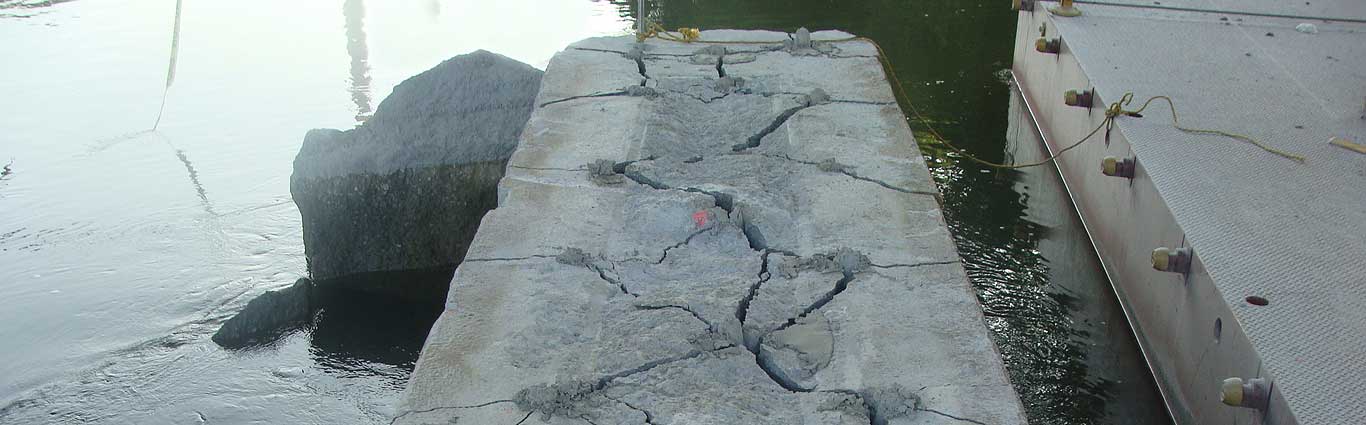
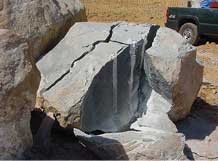
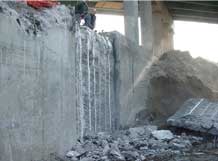
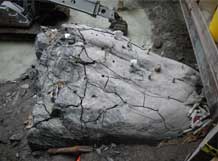
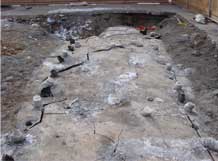
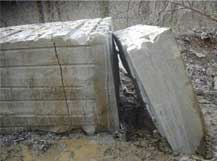
Reinforced concrete can be easily split and fractured, speeding its removal.
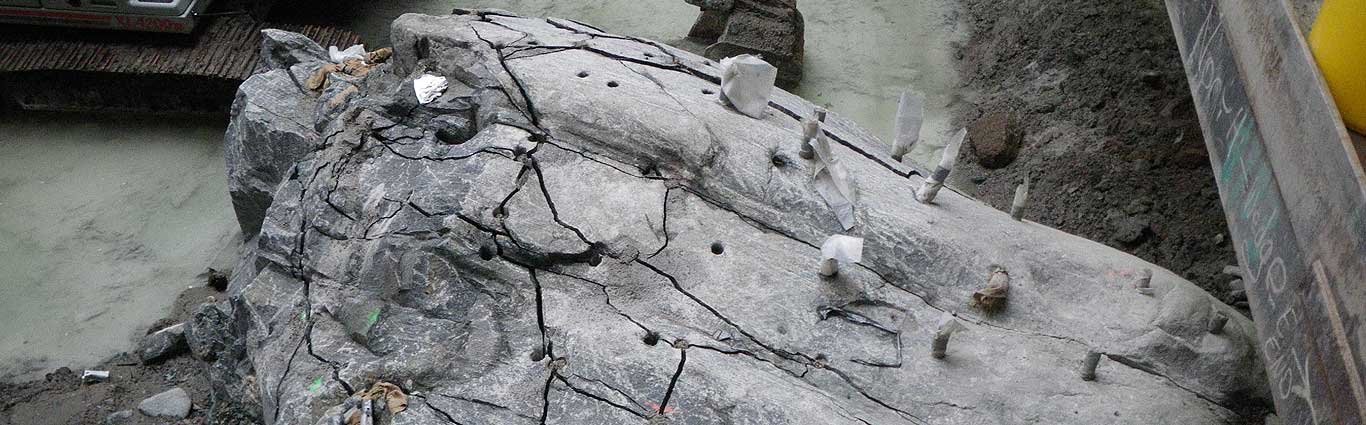
Mass rock can be drilled with holes up to 3" in diameter cutting drilling costs and speeding excavation.
Rock Splitting Mortar is what the Daigh Company is all about.
Established in 1999, the Daigh Company provides Dā-mite® rock splitting mortar for the demolition and fracturing of rock and concrete.
Dā-mite® is an alternative to explosives and breakers in sensitive areas where "no-blast" conditions and complications from vibration,
noise and flyrock is a concern or prohibited. When you need to break, fracture, split rock or perform concrete demolition, Dā-mite®
Rock Splitting Mortar is the Ideal Solution. Dā-mite® is silent, creates no vibration and requires no licensing or permits to use.
Dā-mite® is versatile enough to be used in drilled diameter holes from less than 1" up to 3". This flexibility allows
Dā-mite® to be tailored to any size project by small contractors up to large construction contractors.
Job Stories
All the power you need to get the job done
Daigh insures that your project will be handled professionally with the best personnel and equipment available. Dā-mite® has been used in rock
cuts up to 50+ feet! Ideal applications include and projects include:
Boulders, Trench Rock, Mass Rock, Tunnels, Bridges, High Wall Scaling, Dams, Demolition of Concrete (reinforced and unreinforced) and Dimensional Stone.
Airport Construction
Boulders and Mass Rock Formations
Bridges
Bunkers
Chemical Plants
Dams
Hospitals
Hydroelectric Plants
Keyways
Machinery Foundations
Mines
Railroads
Road Construction
Scaling of High Walls
Trench Rock
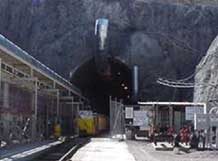
Tunneling
Dā-mite® is simple and easy to use
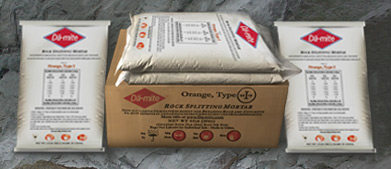
Dā-mite® is packaged in a 44lb (20kg) box which contains
four 11lb (5kg) bags. Dā-mite® is available in four different grades, depending on the temperature of the rock/concrete to be
fractured and removed.
Dā-mite® Rock Splitting Mortar is simple and easy to use. Daigh can provide recommended drill patterns and drill depths to accommodate
your rock/concrete situation. Drill predetermined holes, mix Dā-mite® with the proper amount of water and pour into your drilled holes.
Dā-mite® will set and expand with enough force and compressive strength to break the rock or concrete.
Daigh Company must be consulted if drilling hole diameters 2" or larger due to the increased potential risk of a "blow-out".
Know the temperature of the rock and the proper hole size for your specific application before using Dā-mite®.
1
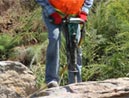
Drill predetermined holes
Daigh can provide recommended drill patterns and drill depths.
2
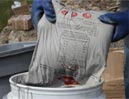
Add Dā-mite®
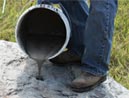
Make sure bucket is clean. Add 1 bag of Dā-mite® (5kg/11 lb bag) 3-4 bags will fit in a 5 gallon pail.
3
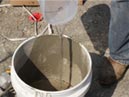
Add water
Add 1½ US Quarts of Clean Water per Bag. If mixing on a hot day, chill water with ice before adding water.
4
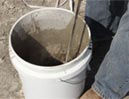
Mix
With a paddle mixer about 20-30 seconds, until "soupy"/all the lumps are gone. If mixture is too thick (unpourable) add a very small amount of water. A little goes a long way.
5
Pour into drilled holes
Pour Dā-mite® into drilled holes to within 6 inches of the top of the hole. Do not look into loaded holes until cracking appears.
Dā-mite® Applications
Rock Concrete Reinforced Concrete
Boulders
Bridges
Dams
Dimensional Stone
Foundation Work
High Wall Scaling
Mass Rock
Pre-splitting
Shafts
Trench Rock
Tunnels
Benefits of using Dā-mite®
Eliminates noise, fly rock and vibration potential caused by blasting or heavy mechanical means
Increases productivity of mechanical demolition equipment
Controls cracking
Minimizes risk in high exposure situations such as rock or concrete excavation adjacent to hot rail lines or near sensitive fiber optic cables or controls
Works in water/underwater in difficult conditions (consult with Daigh for proper usage in wet conditions)
Saves time in shutdown conditions
Eases removal where impact force is limited by specifications








 Dā-mite® is packaged in a 44lb (20kg) box which contains
four 11lb (5kg) bags. Dā-mite® is available in four different grades, depending on the temperature of the rock/concrete to be
fractured and removed.
Dā-mite® is packaged in a 44lb (20kg) box which contains
four 11lb (5kg) bags. Dā-mite® is available in four different grades, depending on the temperature of the rock/concrete to be
fractured and removed.